

Press play below to listen to this blog:
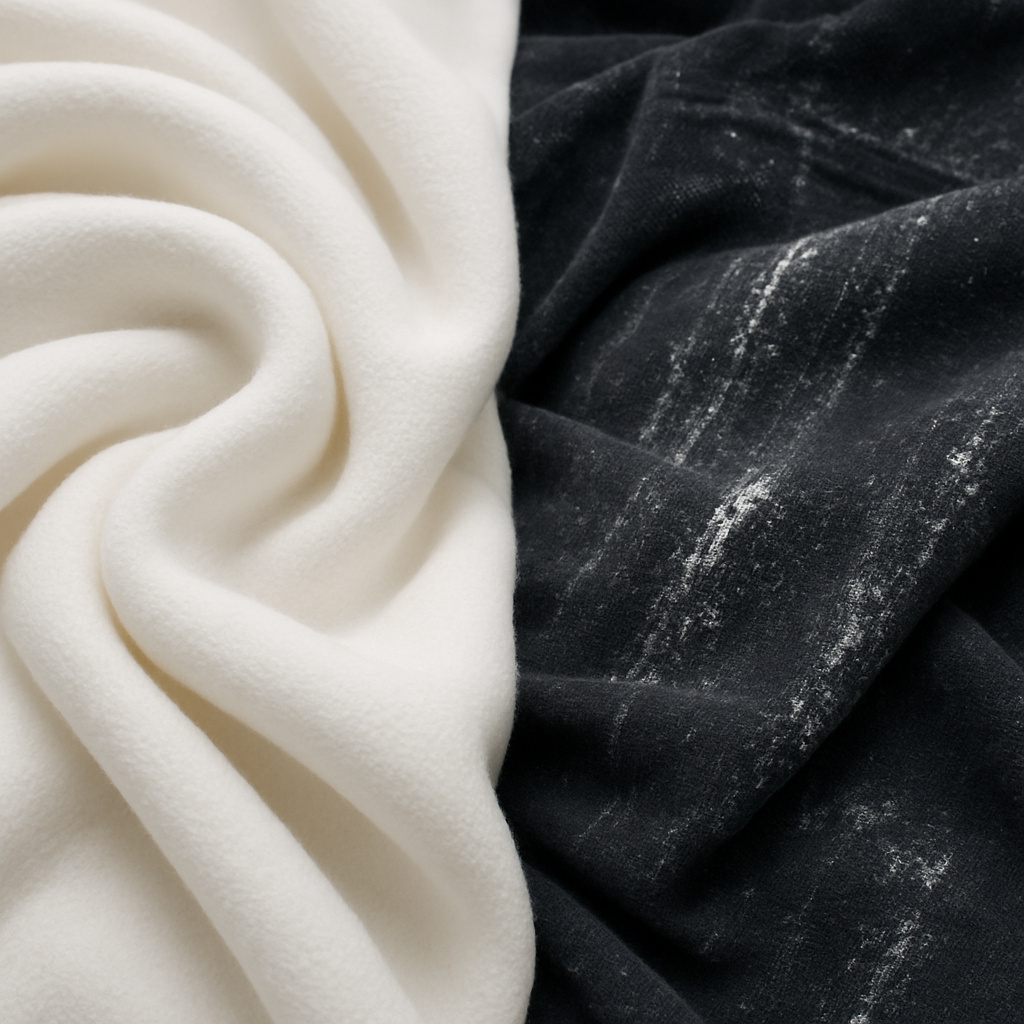
Detergent residue on clothing can cause skin irritation, fabric damage, and premature wear—discover proven techniques to eliminate buildup and restore your garments to optimal condition.
Understanding the Root Causes of Detergent Buildup
Detergent residue accumulation represents a common yet often overlooked challenge in textile maintenance protocols. This buildup occurs when excess detergent particles remain embedded within fabric fibers following the wash cycle, creating a layer that compromises both the structural integrity and aesthetic quality of garments. The primary factors contributing to this issue include overloading washing machines, utilizing excessive detergent quantities, employing water temperatures insufficient for complete dissolution, and operating in hard water conditions where mineral content interferes with proper rinsing.
The chemistry behind detergent residue formation involves the interaction between surfactants, water hardness minerals, and fabric composition. In hard water environments, calcium and magnesium ions bind with detergent molecules to create insoluble compounds that adhere stubbornly to textile surfaces. Additionally, modern high-efficiency detergents, while formulated for water conservation, require precise dosing specifications that many users inadvertently exceed. This systematic understanding establishes the foundation for implementing effective remediation strategies.
Furthermore, washing machine performance degradation contributes significantly to residue accumulation. When machines fail to execute complete rinse cycles or harbor their own detergent buildup in dispensers and drum components, they perpetuate the transfer of residual compounds onto clean laundry. Recognizing these interconnected variables enables a comprehensive approach to addressing and preventing detergent accumulation across all fabric types and washing conditions.
Proven Methods for Eliminating Residue from Fabrics
The most effective technique for removing existing detergent residue involves executing a hot water rinse cycle with white distilled vinegar. Add two cups of white vinegar to an empty washing machine and run affected garments through a complete hot water cycle without additional detergent. The acetic acid in vinegar dissolves alkaline detergent deposits while neutralizing residual soap molecules, restoring fabric to its original condition. This method proves particularly effective for heavily soiled items exhibiting visible white streaks or stiffness indicative of substantial buildup.
For delicate fabrics requiring gentler treatment protocols, implement a cold water soak using baking soda solution. Dissolve one cup of baking soda in a basin of cool water and submerge affected garments for four to six hours. The sodium bicarbonate acts as a mild abrasive and pH neutralizer, lifting embedded residue without compromising fabric integrity. Following the soak period, rinse items thoroughly under running water and execute a standard machine wash cycle using one-quarter of the normal detergent quantity to prevent reintroducing excess product.
Advanced residue removal for persistent cases requires employing specialized laundry stripping techniques. Fill a bathtub with hot water and combine one-quarter cup borax, one-quarter cup washing soda, and one-half cup laundry detergent. Submerge affected items and allow them to soak for four to six hours, agitating periodically to facilitate residue release. The water typically becomes visibly discolored as years of accumulated detergent, minerals, and body oils separate from fabric fibers. Complete the process with two consecutive rinse cycles using cold water to ensure complete removal of treatment compounds and liberated residue.
Optimizing Your Washing Machine Performance to Prevent Buildup
Maintaining optimal washing machine functionality constitutes a critical component of residue prevention protocols. Establish a monthly maintenance schedule that includes running an empty hot water cycle with two cups of white vinegar or a commercial washing machine cleaner. This procedure removes accumulated detergent deposits from internal components including the drum, dispensers, hoses, and pump mechanisms. For front-loading machines, particular attention must be directed toward the rubber door gasket, where moisture and detergent residue frequently accumulate, creating potential contamination sources for subsequent wash cycles.
Proper loading techniques significantly impact washing machine efficiency and rinsing effectiveness. Avoid exceeding 75% of drum capacity to ensure adequate water circulation and mechanical action necessary for complete detergent dissolution and removal. Overloading restricts garment movement, creating pockets where concentrated detergent solution cannot be adequately flushed during rinse cycles. Additionally, distribute items evenly throughout the drum to prevent load imbalance, which compromises spin cycle effectiveness and consequently leaves excess moisture and dissolved detergent within fabric fibers.
Water temperature selection and cycle duration represent critical operational parameters requiring careful consideration. Cold water cycles, while energy-efficient, reduce detergent solubility and rinsing effectiveness, making them more susceptible to residue formation. When possible, utilize warm water for heavily soiled loads and incorporate an additional rinse cycle to ensure thorough removal of cleaning agents. Modern machines equipped with residue removal or deep rinse options should have these features activated as standard practice, particularly when washing synthetic fabrics that exhibit greater propensity for detergent retention.
Selecting the Right Detergent Products for Your Water Conditions
Water hardness assessment represents the foundational step in detergent product selection. Hard water, characterized by elevated concentrations of dissolved minerals including calcium and magnesium, requires specialized detergent formulations or supplementary water softening agents to prevent residue formation. Conduct a water hardness test using readily available test strips or request a water quality report from your municipal supplier. Water measuring above 120 parts per million (ppm) classifies as hard and necessitates specific product considerations to achieve optimal cleaning results without residue accumulation.
For hard water environments, liquid detergents generally outperform powder formulations because they dissolve more readily and contain fewer insoluble filler compounds that contribute to residue buildup. Select products specifically labeled for hard water applications, which incorporate chelating agents such as citric acid or EDTA that bind to mineral ions and prevent their interaction with surfactants. Alternatively, implement a two-component approach by adding a water softening agent such as washing soda or borax to the wash cycle before introducing standard detergent, effectively creating customized hard water protection at reduced cost compared to specialized formulations.
Concentration levels and dosing precision require stringent attention regardless of water conditions. High-efficiency (HE) detergents, formulated for low-water-volume machines, contain concentrated active ingredients requiring substantially smaller quantities than conventional products. Utilizing non-HE detergents in HE machines creates excessive suds that interfere with mechanical action and rinsing effectiveness, while overdosing any detergent type overwhelms the machine's rinsing capacity. Invest in a measuring cup with clear demarcations and consistently adhere to manufacturer recommendations, adjusting only when dealing with exceptionally soiled loads or confirmed hard water conditions documented through testing.
Maintaining Long-Term Fabric Quality Through Proper Care Protocols
Implementing systematic care protocols ensures sustained fabric quality and prevents cumulative damage associated with detergent residue exposure. Develop a garment rotation system that prevents excessive washing frequency, as each wash cycle subjects fabrics to mechanical stress and chemical exposure that gradually degrades fiber structure. Many garments, particularly outer layers and structured pieces, require laundering only after three to five wears unless visibly soiled or odorous. This approach reduces both residue accumulation risk and general fabric wear, substantially extending garment service life.
Fabric-specific treatment methodologies optimize preservation outcomes across diverse textile compositions. Natural fibers including cotton, linen, and wool demonstrate different residue susceptibility compared to synthetic materials such as polyester, nylon, and acrylic. Natural fibers generally tolerate higher wash temperatures and benefit from periodic hot water rinses that prevent gradual buildup accumulation. Conversely, synthetic fabrics exhibit static properties that attract and retain detergent particles more readily, requiring lower detergent doses and additional rinse cycles as standard practice. Maintain separate care protocols documented for each fabric category to ensure appropriate treatment application.
Long-term quality maintenance extends beyond washing procedures to encompass comprehensive storage and handling practices. Store clean, completely dry garments in well-ventilated spaces to prevent moisture accumulation that can reactivate residual detergent compounds and promote mildew formation. Avoid plastic storage containers for extended periods, as they trap humidity and prevent air circulation necessary for maintaining optimal fabric condition. For valuable or delicate items, consider professional cleaning services that employ specialized equipment and techniques unavailable in residential settings, ensuring thorough residue removal while preserving structural integrity and appearance characteristics throughout the garment's operational lifespan.